
White Wine 101

If you’re looking to learn more about wine, I’m here to satisfy your vinous curiosity with the perfect place to begin: my Wine 101 series. Because let’s be honest—wine can feel wonderfully overwhelming. It weaves together history, science, geography, culture, cuisine, and human connection into one beautiful liquid experience. The good news? You do NOT need to know everything to enjoy it. A strong foundation in the basics can help you navigate the wine world with far more confidence—and pleasure.
As a lifelong student of wine and a Certified Sommelier who has spent more than two decades tasting, teaching, traveling, and helping others discover what they love, I can tell you that White Wine 101 is a brilliant place to start. Unfortunately, an outdated myth still lingers that white wine is somehow less serious than red wine. I am delighted to escort that tired theory straight out the door, because it is simply FALSE.
White wines include some of the most refined, collectible, complex, and age-worthy bottles on earth. From the profound Chardonnays of Burgundy to majestic Rieslings, soulful Chenin Blancs, and mineral-driven coastal expressions from around the globe, white wine offers endless intrigue. It can be crisp and refreshing, rich and layered, floral and delicate, savory and textural—or all of the above.
But if you need a little more convincing, scroll down for a few compelling reasons to wholeheartedly embrace the captivating world of white wine!
3 REASONS TO LOVE WHITE WINE
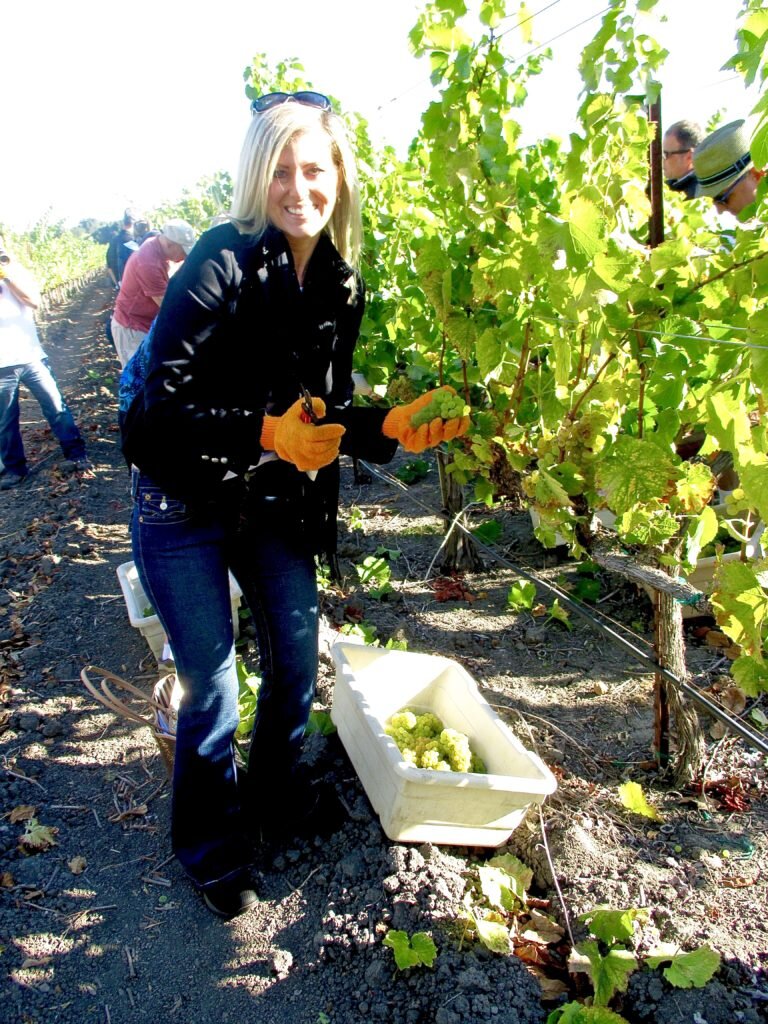
White wines are exceptionally versatile with food. Without the firm tannins often found in red wine, white wines tend to complement rather than compete with what’s on your plate. They can brighten seafood, flatter vegetables, elevate cheeses, and beautifully accompany everything from roast chicken to spicy cuisine. They are also wonderfully easy to sip and enjoy on their own.
You're less likely to get a hangover when drinking white wine. This is due to lower levels of alcohol and lack of phenolic compounds which can trigger headaches and are found in greater abundance in fuller-bodied reds. Hydration, quantity consumed, and individual sensitivity still matter most, but for many people white wine can feel like a better choice.
Most white wines are crafted for youthful enjoyment. While some of the world’s greatest whites can age magnificently for decades, many styles are intended to be enjoyed young, vibrant, and full of life. No need to wait years for a bottle to mature—simply chill, pop that cork (or screwcap!), and enjoy.
Before we dive into the differences between white and red wine, let’s talk about the one thing all wines have in common: FERMENTATION. Every style of wine on earth—sparkling, white, red, rosé, orange, or fortified—begins with this essential transformation. During fermentation, yeast consumes the natural sugars in grapes and converts them into alcohol and carbon dioxide. As alcohol levels rise, the yeast eventually becomes inactive, leaving behind the wine we know and love.
In still wines, the carbon dioxide is released. In sparkling wines, those beautiful bubbles are captured and treasured. It’s one of the great miracles of wine: grapes, yeast, time, and a little human guidance creating something timeless and delicious.
More on sparkling wine later!
WHITE WINE VS. RED WINE
Now that we’ve covered what all wines share, let’s explore what makes white wine production distinct. While the fundamentals are the same, white wines are crafted with techniques designed to preserve freshness, purity, texture, and aromatic beauty.
SKIN CONTACT: Most white wines are fermented with little to no skin contact. Unlike red wines, which gain color, tannin, and structure from extended time in contact with grape skins, white grapes are typically pressed soon after harvest so the juice can ferment separately. This helps preserve clarity, color, and bright fruit expression. (Of course, “orange wines” are a fascinating exception, made from white grapes with extended skin contact.)
SULPHUR (aka SO2): Sulfur dioxide—commonly referred to as SO₂—plays an important role in winemaking, particularly with white wines. It helps protect wine from oxidation and spoilage, preserving freshness and preventing browning. White wines often contain higher levels of sulfites than reds because red wines naturally contain tannins and phenolic compounds that offer additional protective qualities.
And for the record: the infamous “Red Wine Headache” is NOT caused by sulfites. Recent research has shown the flavonoid quercitin, a natural antioxidant in red wine that interferes with the metabolism of alcohol, is the primary culprit although alcohol level, dehydration, assorted histamines or individual sensitivities definitely play a part.
COOL FERMENTATION: To preserve the lively citrus, floral, stone fruit, and tropical aromas we love in white wine, fermentation is usually carried out at cooler temperatures than red wine. Cooler fermentation helps retain freshness and aromatic precision, while reds are often fermented warmer to encourage color extraction and tannin structure.
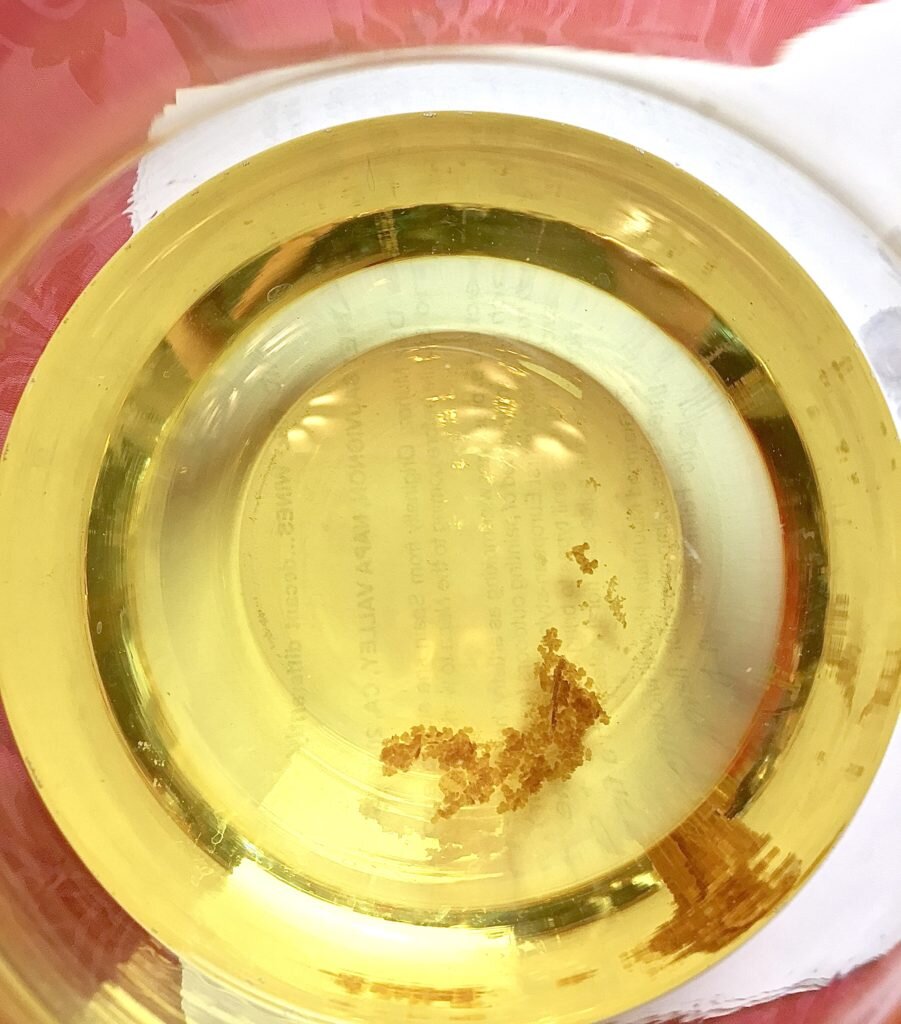
COLD STABILIZATION: Tartaric acid is one of wine’s key natural acids and contributes greatly to balance and mouthfeel. In cold temperatures, it can crystallize into harmless tartrate crystals—sometimes charmingly called “wine diamonds.” To reduce the chance of crystals forming in bottle, many producers cold stabilize their wines before release by chilling the wine and removing the crystals prior to bottling. Some winemakers use this technique minimally, believing a gentler approach better preserves texture and flavor so the presence of these crystals at the bottom of a bottle is usually the sign of a more artisanally crafted wine.
One of the greatest joys of white wine is its stylistic range. White wines can be light, zesty, and mineral-driven—or rich, creamy, and oak-aged. They may be crisp and linear, lush and opulent, floral and delicate, or savory and textural. Style depends on grape variety, climate, soil, harvest timing, and the choices a winemaker makes in the cellar.
In short: white wine is not one thing—it is an entire world waiting to be explored.
TOP 5 WHITE WINE GRAPES
When it comes to grapes, there are a handful of white varieties you’re most likely to encounter at your local wine shop or restaurant. Learning these foundational grapes is one of the easiest and most enjoyable ways to build confidence in the world of wine. Once you understand their personalities, flavors, and pairing strengths, choosing a bottle becomes far less intimidating—and far more fun!
Here is my White Wine 101 guide to five essential grapes to know, including what they typically taste like, what foods they pair beautifully with, and a few personal favorites to seek out. Think of this as your passport to exploring white wine with greater ease and excitement.
And remember: wine is agricultural, seasonal, and ever-evolving, so you may not always find the exact bottle listed. That is perfectly normal. One of the great pleasures of wine is discovery. If a specific selection is unavailable, simply ask your local wine merchant for a similar recommendation based on style, region, or grape variety. A good wine shop should be eager to guide you toward something equally delicious.
Most importantly, trust your own palate. My goal has never been to tell you what you should like—it is to help you discover what you enjoy, understand why you enjoy it, and empower you to recreate wonderful experiences for your own table.
So let’s begin with five white grapes every wine lover should know:
1.) PINOT GRIGIO/PINOT GRIS (Italy, Oregon, Alsace): Pinot Grigio thrives in Northeastern Italy, specifically Friuli and Alto Adige, where it produces light-bodied, refreshingly fruity wines that are imminently quaffable, if a tad forgettable when mass produced. Pinot Gris, the same grape grown in different geographic regions including Alsace and the Northwest US, is know for having more flavor, viscosity and overall personality.
PAIR WITH: While this wine is perfect served as an aperitif, it also pairs nicely with lighter fare such as grilled fish (Pinot Gris in particular is perfect with salmon), lighter pasta dishes and roasted chicken breast.
GG FAVE PINOT GRIGIO/GRIS:
King Estate Pinot Gris Willamette Valley, Oregon
Livio Felluga Collio Pinot Grigio, Italy

2.) RIESLING (Germany, Alsace, Washington, New York State): This grape produces fruity, aromatic wines with a lively acidity and delightful fruit profile which displays citrus, green apple, pear and jasmine tinged usually to some degree with it's hallmark petrol note. Riesling can also run the gamut stylistically, ranging from bone dry to super sweet.
PAIR WITH: Sweet Riesling is a natural match for spicy Asian food such as Thai dishes and sushi. Dry Riesling is a wonderful pairing for vegetable-driven dishes, Tex-Mex cuisine and lighter seafood fare.
GG FAVE RIESLINGS:
Chateau Ste. Michelle Eroica Riesling, Columbia Valley, Washington
Domaine Weinbach Riesling Cuvée Théo, Alsace, France
3.) SAUVIGNON BLANC (New Zealand, California, Loire Valley): This charismatic white grape creates wines which are famously crisp and refreshing with a zesty acidity and lively fruit flavors ranging from grassy and grapefruity in New Zealand to peachy and citrusy in California. France's Loire Valley imparts limestone and mineral components to these wines as well as the infamous yet desirable, "pipi de chat."
PAIR WITH: Sauvignon Blanc is a fabulous food wine that pairs brilliantly with cheeses such as tangy chevre and shellfish like oysters, clams and shrimp. It can also play nicely with lighter fare such as pasta with white sauce, chicken and even pork, it's truly a food lover's white wine.
GG FAVE SAUVIGNON BLANCS:
Jean Marie Reverdy Charme de Loire Sauvignon Blanc, Loire Valley
Cliff Lede Napa Valley Sauvignon Blanc, Napa, California
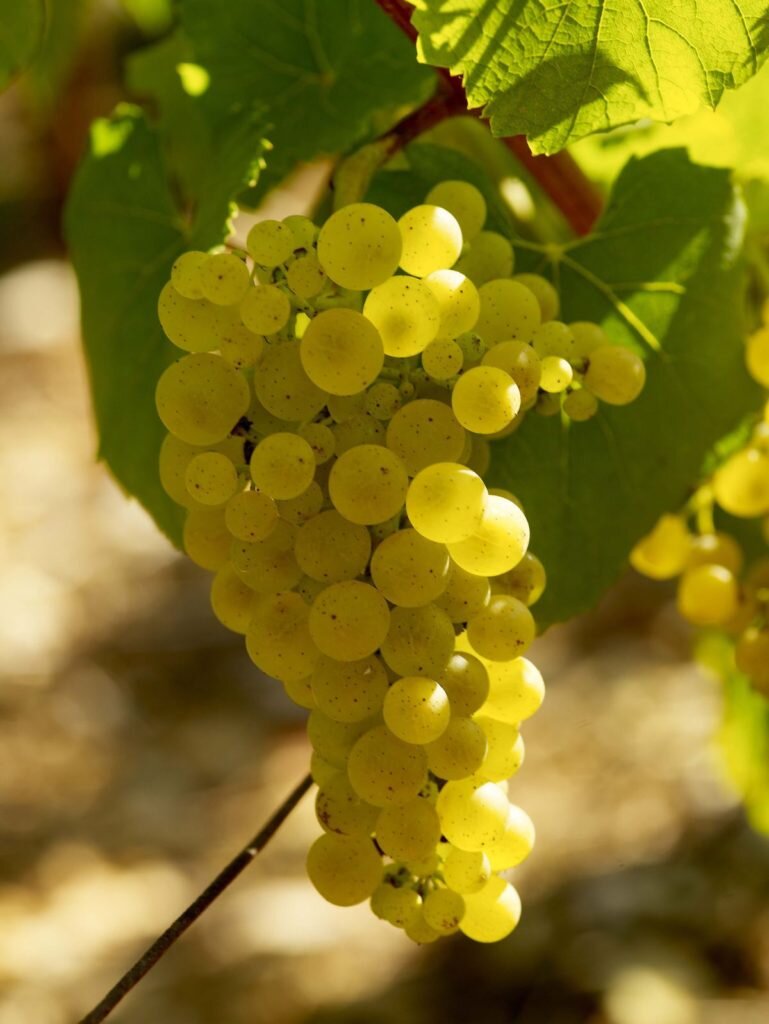
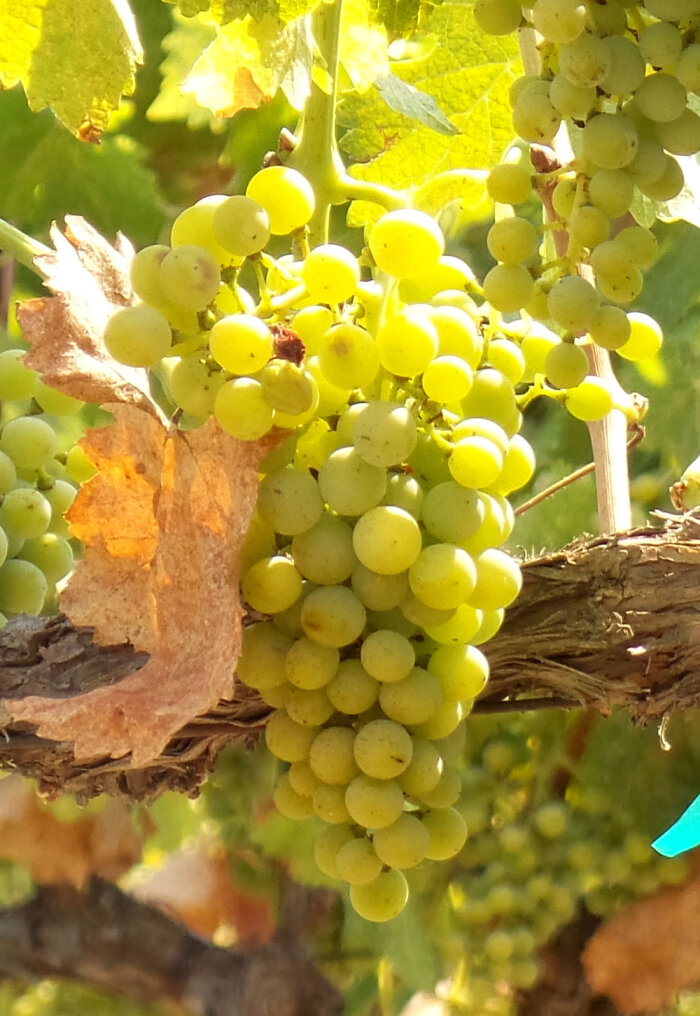
4.) CHARDONNAY (US, Chile, Burgundy, Champagne): The most popular and widely planted white wine grape produces some of the most beautiful, expensive and age worthy white wines in the world. Chardonnay is also know for expressing its "terroir," meaning it reflects the specific region it was grown in. As a result its can display a variety of flavors and textures ranging from flinty notes of green apple, melon, citrus and limestone in cooler climates and ripe, full-bodied peach, pineapple and mango tinged with vanilla and spice in warmer climates.
PAIR WITH: Unoaked incarnations of Chardonnay are perfect for pairing with lighter dishes such as seafood, salads and chicken dishes. Oaked Chardonnay can be a bit tricky to pair with food, but generally pairs nicely with more decadent dishes including Roasted Chicken and Mushrooms and Lobster Mac and Cheese.
GG FAVE CHARDONNAYS:
Maison Joseph Drouhin Vaudon Chablis, Burgundy, France
Ramey Ritchie Vineyard Chardonnay, Russian River Valley, California
5.) VIOGNIER (Rhone Valley, California, Australia): The Viognier grape produces full-bodied white wines that are utterly delicious! In cool climates like the Rhone, aromas and flavors of citrus and stone fruit are accompanied by gorgeous notes of white flowers and minerals. In warmer climates, like California and Australia, lush notes of tropical fruit like pineapple, mango and apricot are brought to the fore.
PAIR WITH: Decadent cheeses such as a triple creme Brie or Saint Angel, rich seafood dishes such as succulent seared scallops and roast chicken with apricots.
GG FAVE VIOGNIERS:
Domaine de Triennes St.-Fleur Viognier, Méditerranée, France
Darioush Estate Viognier Napa Valley, California
TALKING THE TALK
Like every great subject, white wine has its own language. These terms often refer to viticultural techniques, aging vessels, and winemaking choices that shape how a wine smells, tastes, and feels on the palate. Understanding a few key words can make reading labels, talking with merchants, and ordering in restaurants much easier—and much more enjoyable.
No White Wine 101 guide would be complete without a few of the terms you’re most likely to encounter when exploring white wine:
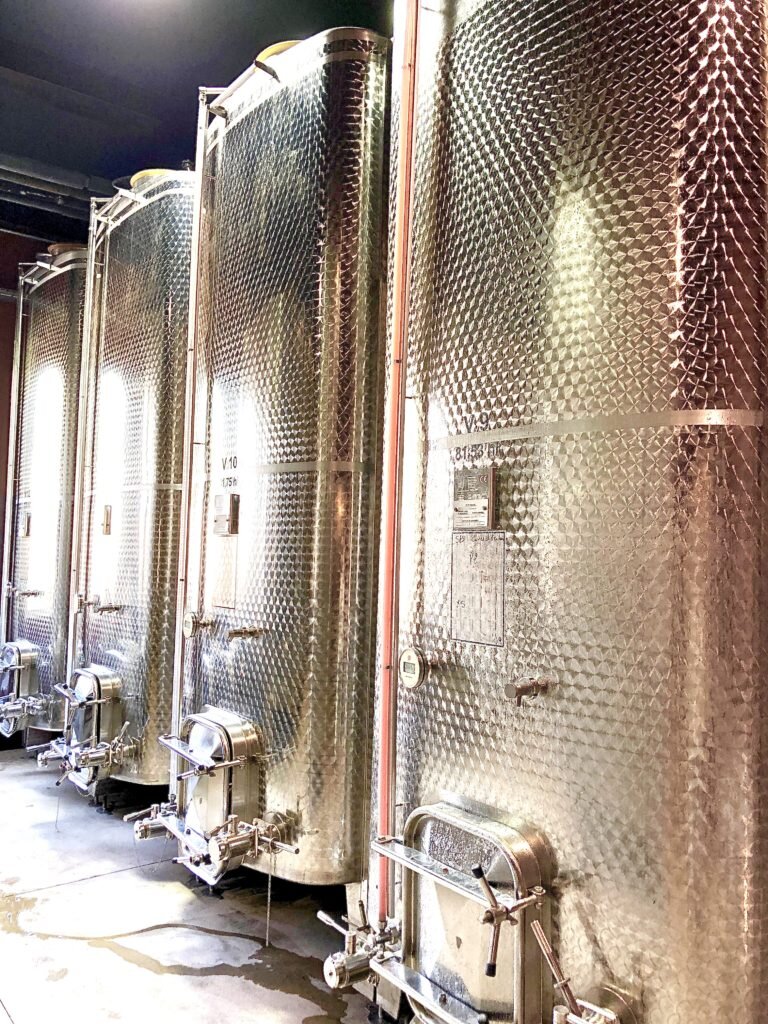
STAINLESS STEEL: When a wine is fermented or aged in stainless steel tanks, the goal is usually purity and freshness. Stainless steel is neutral, meaning it generally does not add flavor to the wine. Instead, it allows the grape’s natural character to shine through with clarity.
These wines are often crisp, vibrant, fruit-forward, and refreshing, showcasing notes like citrus, green apple, peach, or flowers depending on the grape. Think of styles such as Sauvignon Blanc, Pinot Grigio, Albariño, or unoaked Chardonnay.
They are especially appealing in warm weather and pair beautifully with seafood, salads, lighter fare, and casual gatherings.
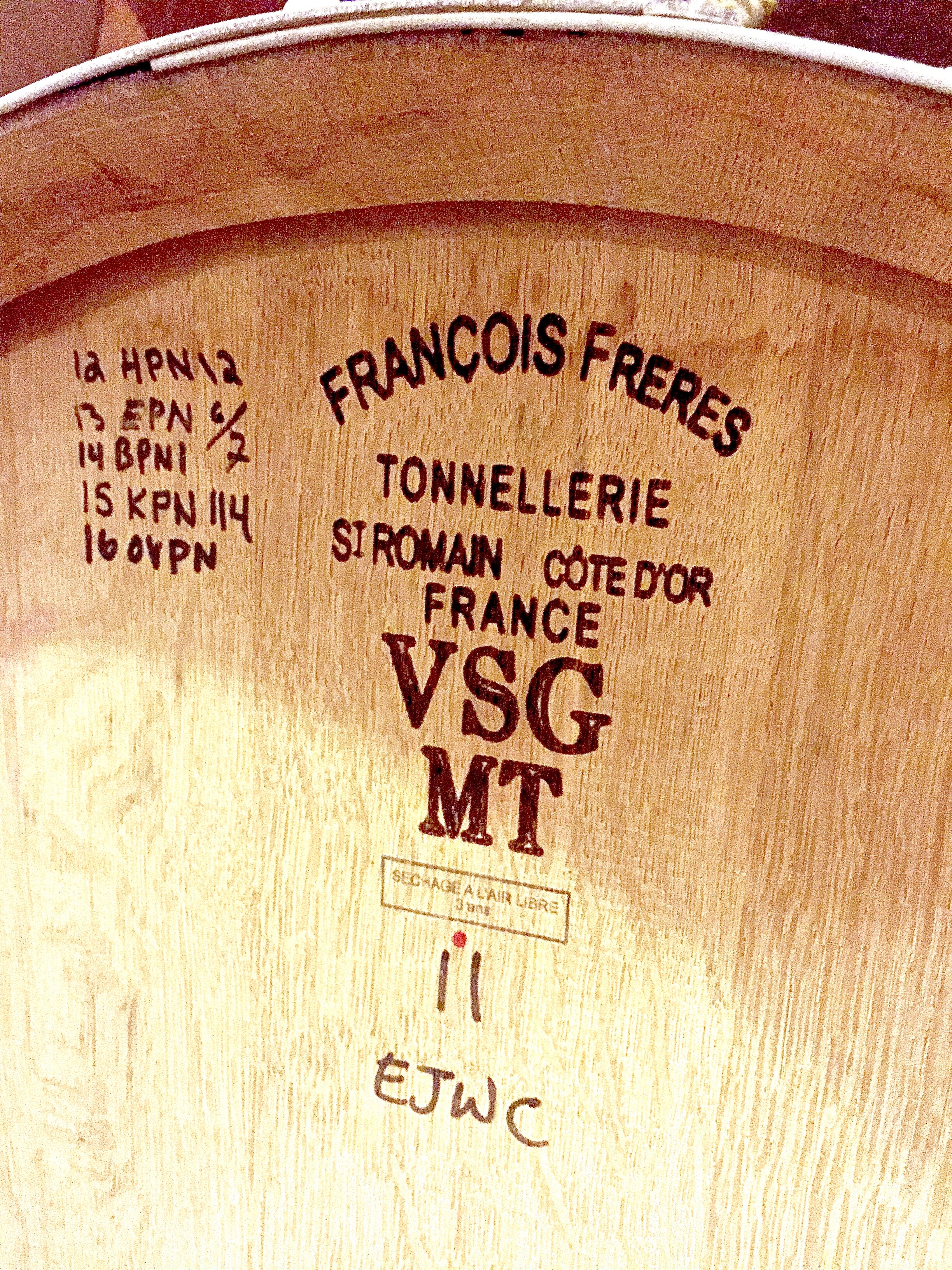
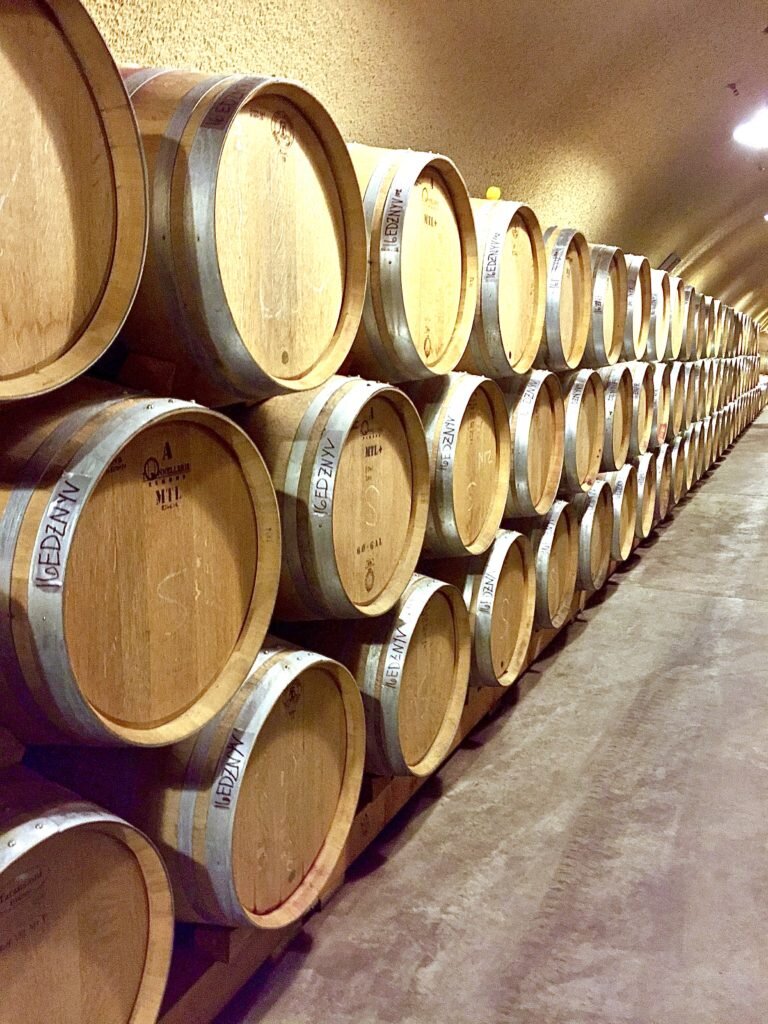
OAK: Some white wines—most famously Chardonnay, but also certain Sauvignon Blanc, Rioja Blanco, Semillon, and others—are fermented and/or aged in oak barrels. Oak can add texture, richness, complexity, and aging potential to a wine.
Depending on the barrel’s age, origin, and toast level, oak may contribute notes of vanilla, baking spice, toasted nuts, brioche, caramel, smoke, or subtle woodsy warmth. French oak is often prized for elegance and finesse, while American oak may offer bolder vanilla and spice tones.
Oak-aged whites can range from beautifully restrained to luxuriously rich. They pair wonderfully with roast chicken, lobster, creamy sauces, mushrooms, richer cheeses, and dishes with buttery or savory depth.
MALOLACTIC FERMENTATION: Malolactic fermentation—often affectionately shortened to “malo” or “ml”—is a secondary transformation used by many winemakers to soften a wine’s acidity and create a rounder texture. During this process, naturally sharp malic acid (the same acid associated with green apples) is converted into gentler lactic acid, which is associated with a creamier, more buttery texture.
The result can be a wine that feels smoother, richer, and more luxurious on the palate, often with notes that suggest baked apple, cream, hazelnut, or butter. Chardonnay is the grape most famously associated with malolactic fermentation, though it may be used with other whites as well. Depending on how it is handled, the effect can range from subtle elegance to full-bodied opulence.
SUR LIE/BATTONAGE: Two of the most beautiful terms in white winemaking come from France: sur lie and bâtonnage.
Sur lie means “on the lees,” referring to a wine resting on the spent yeast cells left behind after fermentation. Rather than removing them immediately, some winemakers allow the wine to remain in contact with these lees to build complexity, texture, and depth. This can lend flavors and sensations reminiscent of brioche, bread dough, nuts, cream, or savory richness.
Bâtonnage refers to stirring those lees back into the wine periodically to increase contact and enhance texture. This technique can create a more layered, silky, and expansive mouthfeel. It is especially beloved in Chardonnay, Muscadet, Champagne, and other wines where texture is prized.
I hope this White Wine 101 guide has deepened your appreciation for this endlessly fascinating—and still too often underestimated—category of wine. White wine can be bright or profound, crisp or creamy, youthful or age-worthy, simple or deeply complex. It deserves every bit as much admiration as red wine.
Most importantly, I hope it inspires you to continue exploring and trusting your own palate. The joy of wine is not memorizing facts—it is discovering what delights you and learning how to create memorable experiences around the table with those you love.
And once you’ve fully enjoyed this chapter, pour yourself another glass and continue on to the next installment: Red Wine 101 ~ Cheers!